

Week 6: What resources do character artists/designers use for inspiration?
What inspires a character artist? To be short, everything. We look at the world around us and find inspiration there (not unlike other artists) but in this case we often find human figures within the silhouettes; though not to forget the insane amount of resources we online as well. Here's a few examples:

Image source: https://uk.pinterest.com/
With its massive library of images and projects where people can pin and share a range of reference. The great thing about Pinterest is that because so many different people are findings things you might not look for; it's like having a massive research team. Pinterest has a great community aspect to it, you can follow people's boards/they can follow yours, and message each other making it good for group projects. That being said you can also make your boards private when you're amounting to a more personal project that you don't want others to see.
Cons: The sharing aspect can backfire as you are often saving things someone else has already pinned meaning you're not finding anything new. Pinterest can become a recycling ground and might pigeonhole you; it's a very useful tool but shouldn't be solely relied on for a project with more depth.

Image source: http://www.pakistankakhudahafiz.com/news/google-coming-pakistani-universities-month/
With Google you truly have the world at your fingertips and have access to an immeasurable amount of reference. From Google's image search, all the way to web pages and online libraries, google is extremely helpful.
Cons: Similar to Pinterest people don't delve into Google's search engine and often use the first image results, meaning very similar moodboards/work.
Books

Image source: http://www.independent.co.uk/arts-entertainment/books/features/the-40-best-books-to-read-before-you-die-a6909206.html
Books are great resources as they create their own worlds and beings. Quite a few also aren't illustrated meaning you have to read descriptions and come up with your own idea of what the places and people/creatures look like; it leaves a lot of room for artistic interpretation.
Cons: Depending on what your final platform with be, you have to make sure you have the authors permission to use their work and they might not allow it. There are also other copyright issues (if the book isn't public domain). There could also be a chance that the book you want to look into already has 50 million interpretations and is quite frankly done-to-death.
Comics

Image source: http://talkingcomicbooks.com/2014/12/11/budget-comic-buyers-guide-pt-1-mission-statement-facing-pull-list/
Like books but fully illustrated comic books are great for creating fan art and deciding on more abstract art styles and colour schemes. The comic book style for games has been quite popular in the recent years as it gives a unique and nostalgic feel. Their characters are often colourful, exciting and have great personalities which is something we want in games.
Cons: Again IP. issues as some styles are accredited to a certain artist, you also don't want your work to be a copy and paste of someone else's; analyse the successful attributes and apply it to your own project.
Films/TV

Image source: http://www.northernman.co.uk/lifestyle/i-need-a-movie-education-i-need-a-moviecation/
There are some iconic films and TV shows that artists can't help but be inspired by, a personal favourite of mine is Hell Boy; the warm hues of the films and intriguing humanoid characters really make me want to create. Games are actually becoming more like films and TV shows in their cinematography, story lines and character arcs/developments. Character artists can take note on how film and shows set the scenes for characters, make the viewer feel something for them (whether good or bad) and their overall aesthetic and how they blend within their universe.
Cons: Don't rely too heavily on a source unless you're doing a piece based off them, but again be careful with IP.
Art Galleries

Image source: http://artuk.org/visit/collection/brighton-and-hove-museums-and-art-galleries-166
It's worth looking at some more traditional are pieces such as sculptures, paintings, installations and such. A lot of artist gather inspiration from the old masters as they've captured some artistically beautiful stuff, maybe a certain piece makes you feel a certain way and you want to capture that within your character. Sculptures are great anatomy references for sculptors and paintings are great for texture artists.
Cons: IP, expenses travelling to galleries, not all galleries will let you take pictures or draw there. Some art techniques might be hard to translate into 3D.
People

Image source: http://streetpeeper.com/fashion-news/streetpeeper-hearts-mae-lapres
Sometimes the interesting characters you're dying to make are actually people around you, there are quirky/memorable people everywhere and make for great inspiration. I live in quite a diverse area so I get to see a large range of people with different styles, looks and cultural backgrounds which helps me create unique designs.
Cons: Most people won't let you take pictures of them and you shouldn't do so without their consent. People are getting on with their day so even if you're sketching them they won't be around for long.
Fashion

Image source: https://www.yahoo.com/style/spring-fashion-campaigns-were-most-131900925.html
Characters need outfits and where best to look than current fashion trends? The character's outfit is needed to help show their personality, current situation and even what class they are. A personal favourite of mine is Alexander McQueen, I find his abstract outfits with mixed mediums really innovative, and his attention to silhouettes is truly beautiful.
I also recently covered the art direction for Sunset Overdrive (http://zjamesmarshall.wixsite.com/masteringarts/single-post/2016/11/04/Week-5-Character-Pipelines) where they used a mix of: mainstream clothing (most relatable), street fashion (less relatable), and period costume/cultural clothing (least relatable). This created some really great outfit combinations that worked well with their game style.
Cons: IP, remember to use artists as inspiration but not copy their work, there are some outfits that look great design-wise but are tedious to create and/or won't work in a game engine because they're a bit too abstract.
Nature

Image source: http://viralscape.com/natural-phenomena-on-earth/
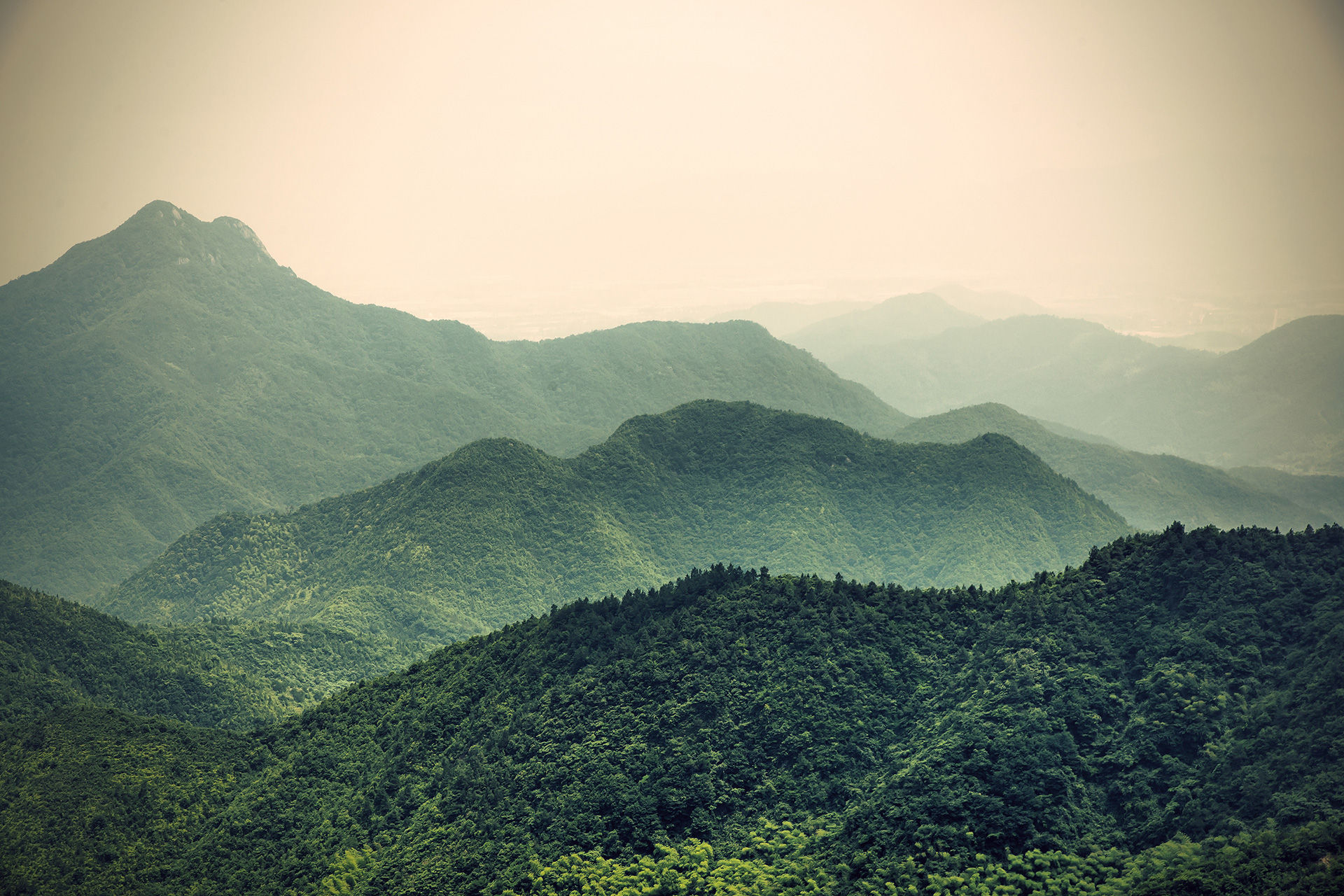
Often things we want to capture are already out there in nature; colours, silhouettes, and designs can all be found in natural formations and can help us with our work. At university we had days where we could go out and take images of areas, and foliage to use for our work, these are good because they're your images so you can use them however you want.
Understanding nature also helps us better understand the materials of objects; things like texture, weathering, and undertones.
Cons: Some things might be hard to replicate into 3D, when collecting source material make sure to be careful of your surroundings,
Existing characters

Image sources: http://zjamesmarshall.wixsite.com/masteringarts/single-post/2016/10/19/Week-1-Game-Jam (In bibliography of post)
Last but not least if you're making a character you need to look at what's already out there. Like above I put together a moodboard of characters I like, select the strongest ones, and then analyse what works best with them. As well as the awesome designs and level of stylisation I like to look at the character specs; the tri-count, texture maps, and how they present their work to apply to my own projects.
Cons: Don't copy others work, choose methods that work best for you, while it's good to look at what's out there you also want to create something new.

Comments